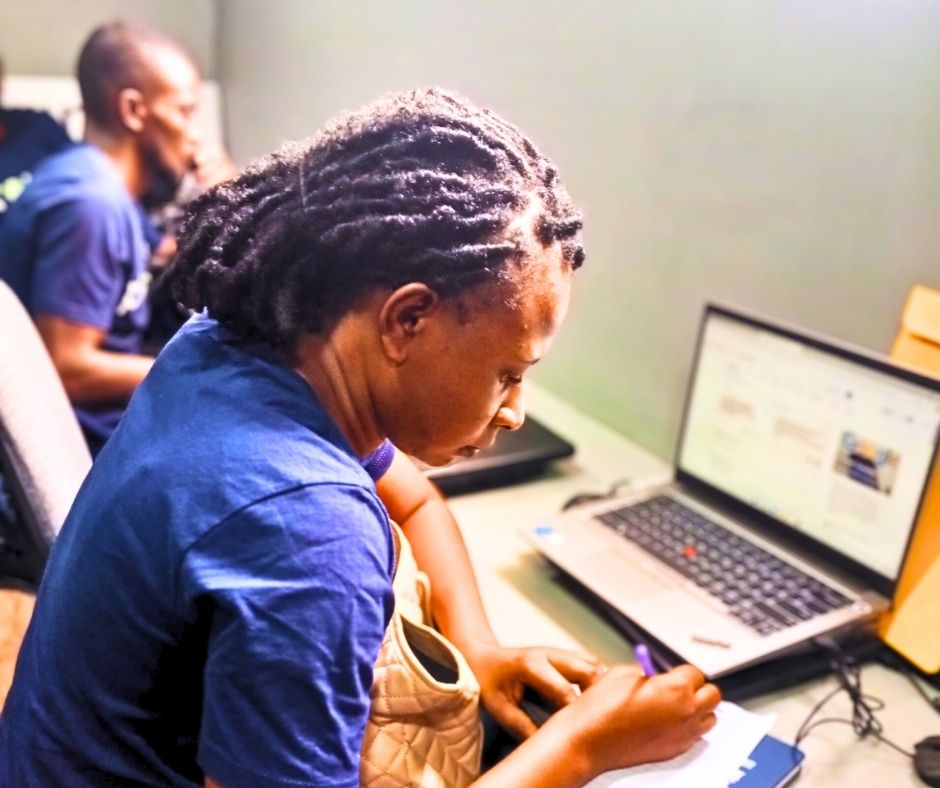
We collect and visualize key data on local resources, challenges, and demographics to guide targeted interventions in areas like health, education, and access to food or energy.

We track the progress and impact of Trinitē programs using evidence-based methods to ensure accountability, improve strategies, and demonstrate results to stakeholders.

We design user-friendly dashboards for internal and external use, allowing departments and partners to see real-time progress, community feedback, and impact metrics.

Our team prioritizes data protection and ethical practices in every process. We ensure sensitive information is secure, used responsibly, and handled with full transparency to build trust and safeguard communities.

We support training for staff and community members to understand, interpret, and use data, turning it into a shared tool for empowerment.

We create culturally relevant tools and surveys that capture accurate data from the ground, ensuring community voices are reflected in every insight.

We centralize Trinitē’s knowledge, reports, data, and resources, creating accessible institutional memory for staff, partners, and informed decision-making.

Our quarterly reports turn raw data into stories, highlighting trends, community priorities, and opportunities for innovation, ensuring strategy remains data-driven.